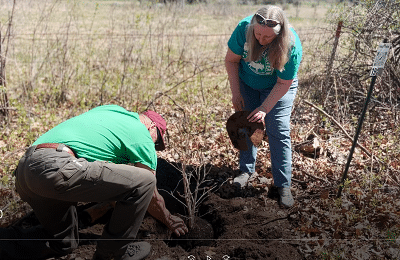
Image of the tree you are viewing – as it was planted on April 24th 2026 by Master Gardeners Peter and Kim
Donation by St. Croix River Valley Chapter of the Daughters of the American Revolution
Scientific Name:Hamamelis virginiana
Common Name: Witch hazel, from the old English word “withe” meaning flexible
Deciduous – drops its leaves in Fall – Late Winter
Sunlight / Moisture Soil Preferences: Witch Hazel thrives in moist, acidic soil and partial shade,
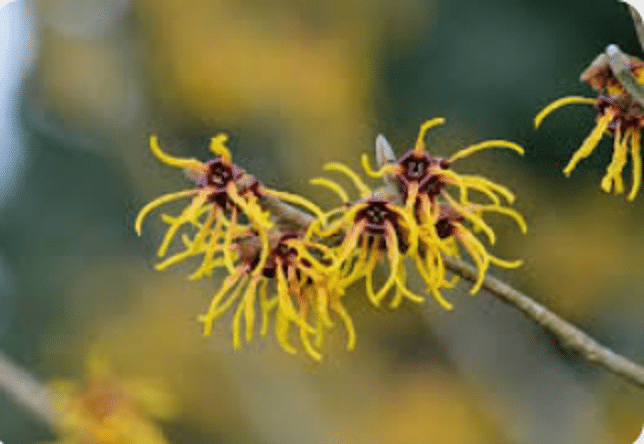
Flowering type: monoecious, meaning both male and female reproductive parts are found on the same plant. While the plant is monoecious, it often produces “perfect” flowers, where each individual blossom contains both male and female parts. Witch Hazel unusually features yellow, ribbon-like flowers in October and November..
Pollination strategy: Despite being monoecious, the plant is not self-fertile and requires pollinators (small gnats and bees) to transfer pollen between plants for successful fruit set.
Unique Timing:Witch hazel blooms in late fall, with pollination occurring during this time and fertilization happening the following spring.
Native – found in the wild in southeastern Minnesota
Age Estimate/ Health: 3 years, healthy
Longevity: 30-40 years
Mature Size: 15-20 ft tall, 6-10 ft spread
GPS Coordinates: N45.00308 W92.90331
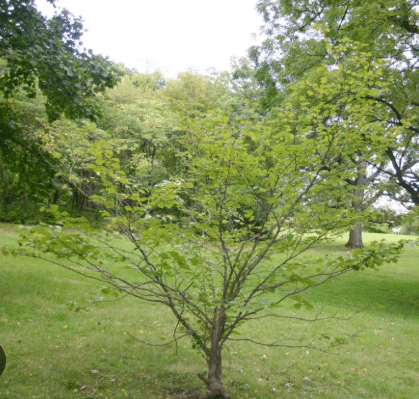
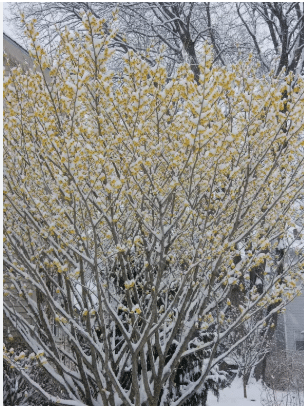
Mature Tree in Summer and in winter
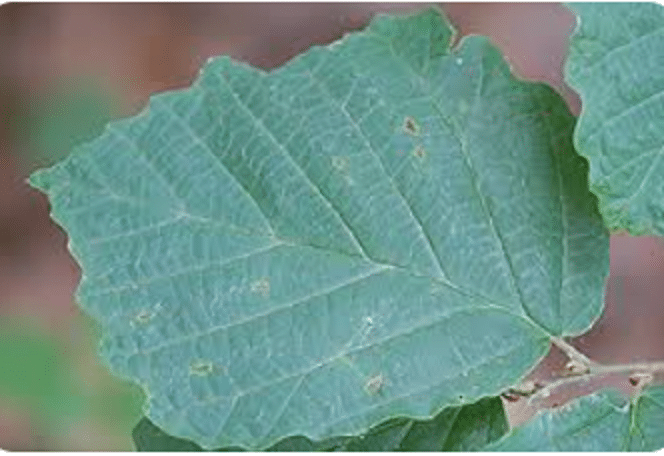
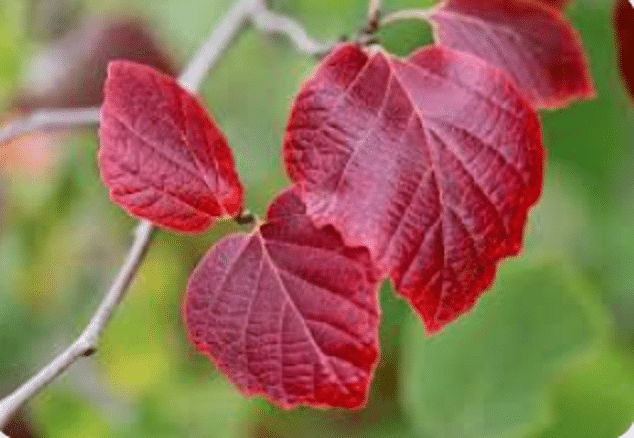
Leaves in Summer and in Fall
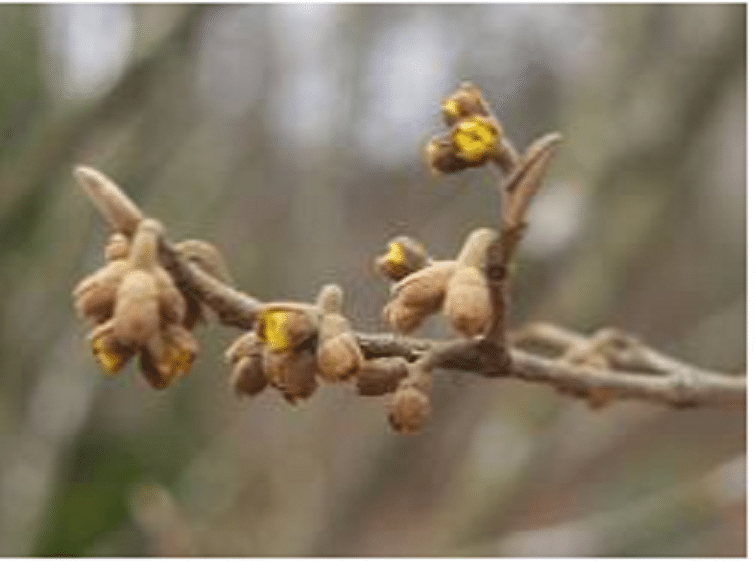
Flower buds and blooms
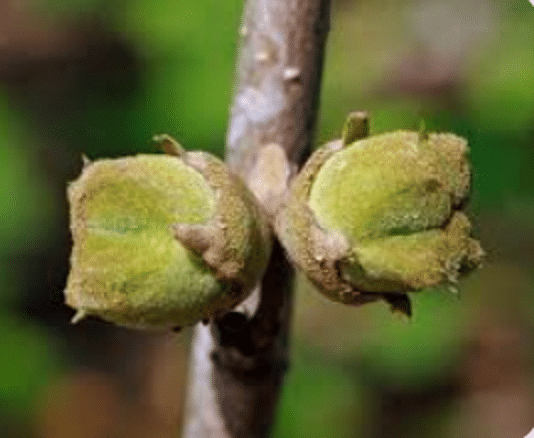
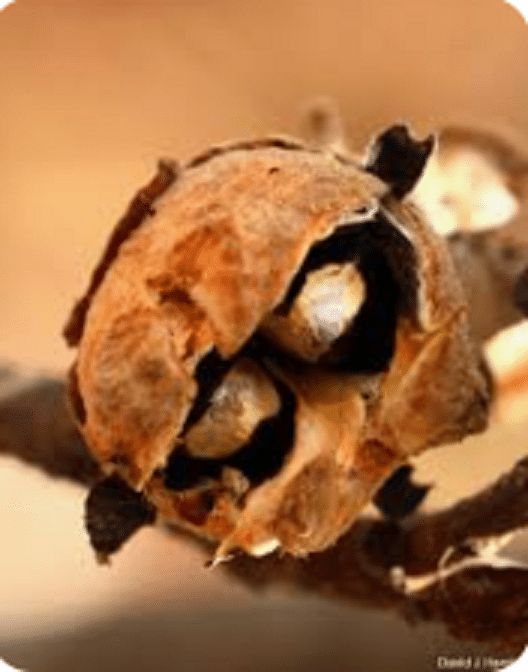
Fruits Unripe and Ripe
Witch hazel has a shallow, slow-growing, and widely spreading woody root system, often characterized by a strong, deep-penetrating taproot that provides stability. These hardy, fibrous roots prefer moist, rich, well-drained soil and are known for producing suckers, especially in the common witch hazel, which helps in colonization. (https://www.illinoiswildflowers.info/trees/plants/witch_hazel.htm)
Uses
Human Use
(University of Minnesota) Many Native American tribes in the New England area used the plant to treat a variety of skin conditions, and European colonists quickly adopted the plant for the same use. It is now a very common ingredient in many lotions and skincare products. Witch-hazel was also a commonly used species for water dowsing, or the practice of using a forked stick to locate underground water.
Value for Wildlife –
(https://gardenforwildlife.com/products/witchhazel-shrub) the witch hazel has high ecological value by supporting over 60 species of caterpillars, including the Spring Azure. Its late-season, fall-blooming flowers offer critical nectar for bees and moths, while its seeds are eaten by ruffed grouse and wild turkeys. Pollinators: Fragrant fall blooms are a crucial late-season energy source for bees, flies, and moths. Birds & Mammals: Seeds are consumed by wild turkeys, ruffed grouse, northern bobwhite, and small mammals. Larval Host: Acts as a host plant for numerous moth and butterfly larvae, supporting a complex food web. Shelter: Dense, horizontal branching provides excellent nesting, cover, and habitat for birds and small animals. Browsing: Leaves and twigs are occasionally browsed by white-tailed deer and beavers.
Homeowners Corner
Witch Hazel makes a very interesting addition to landscape plantings, with its late blooming long lasting flowers. There are no major diseases or pests associated with witch-hazel, although Japanese beetles can damage the leaves. Witch-Hazel leaf gall aphids can cause galls, but the galls have no major detrimental effect.