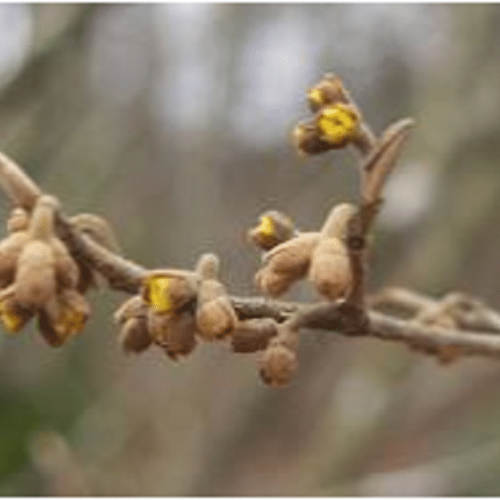
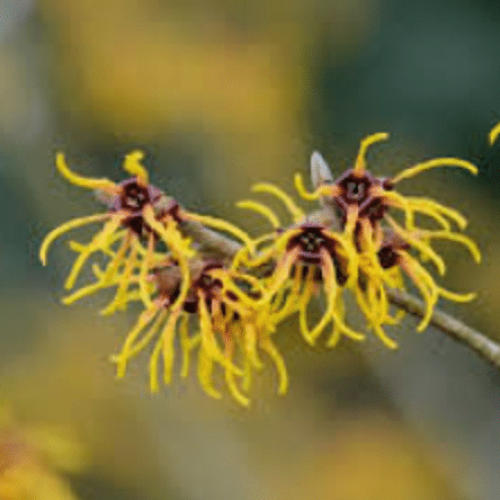
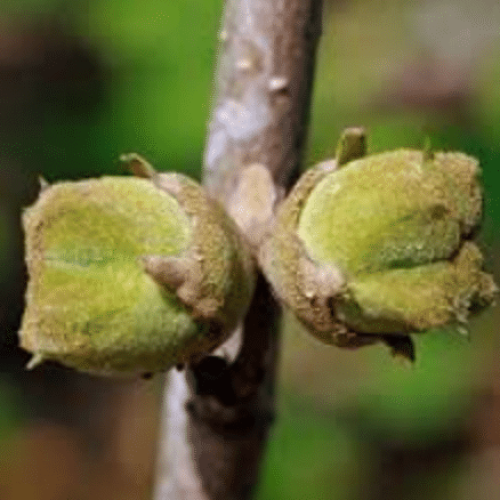
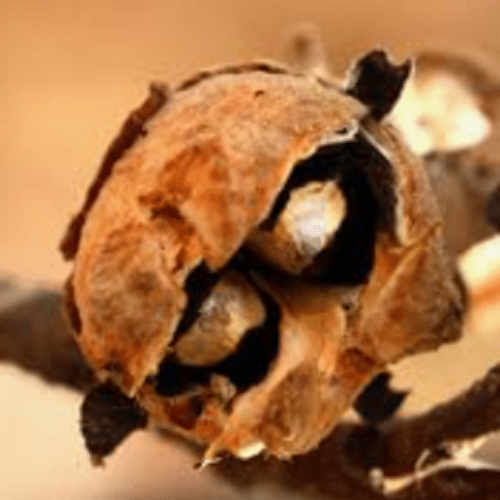
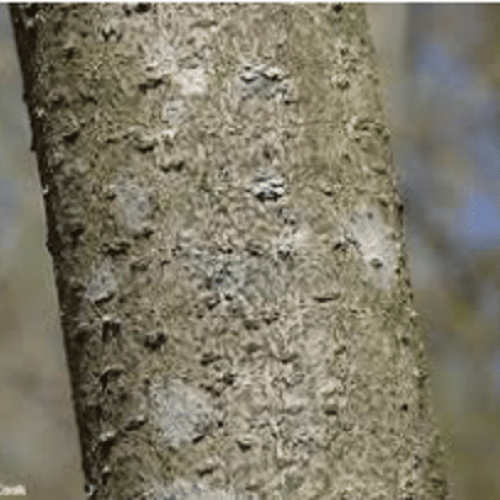
Value for wildlife: Witch hazel blooms in late fall (October–December), providing crucial nectar and pollen for bees, moths, and other pollinators when few other food sources are available. Bird Food Source: The shrub produces seeds that are explosively dispersed from capsules, attracting ground-foraging birds such as Ruffed Grouse, Northern Bobwhite, Wild Turkey, cardinals, and grosbeaks. Host Plant for Moths and Butterflies: It acts as a host plant for numerous insects, including the larvae of the Spring Azure Butterfly and various moth caterpillars, supporting over 60 species of butterflies and moths.. Small Mammal Shelter and Food: The branches and leaves are occasionally foraged by white-tailed deer, beavers, and cottontail rabbits.
Utility for Humans: Witch hazel is a natural astringent derived from the bark and leaves of the Hamamelis virginiana plant, widely used for its anti-inflammatory and antiseptic properties to treat various skin conditions and minor irritations. For example: Facial Toner and Cleanser: It acts as a natural toner to tighten pores, remove excess oil, dirt, and makeup, and soothe skin after shaving. Acne Management: Due to its astringent properties, it can help reduce inflammation and dry out blemishes. Soothes Irritation: It is effective at calming skin irritation, including bug bites, razor burn, and sun burn. Hemorrhoid Relief: Frequently used in pads or liquid form to provide temporary relief from burning, itching, and swelling associated with hemorrhoids. Scalp Health: It can be applied to the scalp to reduce sensitivity, itching, and dandruff, often used before shampooing. Minor Wound Care: It can be used as an antiseptic to clean minor cuts and scrapes. ,
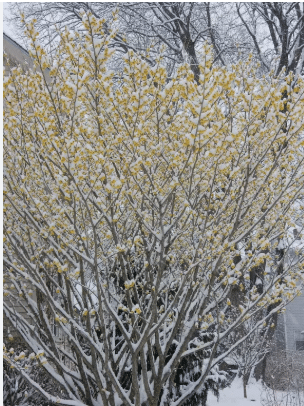
Homeowner’s Corner: A very interesting large shrub, with yellow flowers in late autumn which persist through much of the winter. Witch hazel (Hamamelis spp.) is generally a very robust, pest-resistant plant with few serious insect issues, though it is commonly affected by cosmetic pests, especially leaf galls caused by aphids. These, along with occasional caterpillars, scale, or Japanese beetles, rarely cause significant health issues or kill the tree.